
Drone Reforestation And Wildlife Conservation Tech
- Drone Sky Hook
- Dec 15, 2025
- 5 min read

Reimagining Nature’s Recovery Through Drone Reforestation And Wildlife Conservation
The planet’s forests are disappearing at a staggering pace, an estimated 10 million hectares of forest are lost every year, according to the FAO. Alongside deforestation comes habitat loss, threatening countless species that rely on these ecosystems. Traditional reforestation and wildlife conservation efforts, though noble, often face barriers like limited access to remote terrain, high labour costs, and slow planting rates.
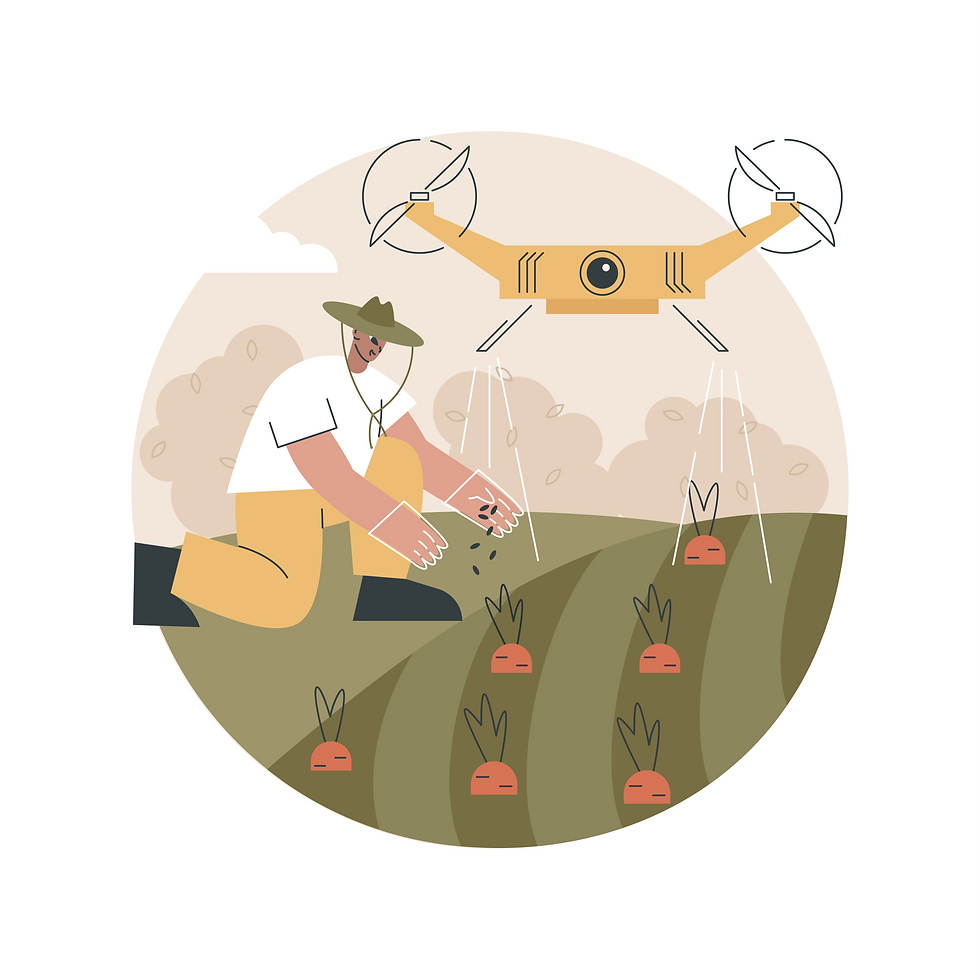
But a revolution is rising from above. Drone reforestation and wildlife conservation technologies are transforming the way we protect and restore nature. Among the pioneers leading this transformation is Drone Sky Hook, whose innovative drone payload systems, searchlights, and release bundles are redefining what’s possible in ecological restoration.
The Challenge of Conservation at Scale
Conservationists and forest rangers have long grappled with the logistics of reforestation and wildlife management. Planting trees by hand on rugged mountainsides or distributing seeds in post-wildfire zones can take months, or even years. Similarly, monitoring and rescuing endangered animals in dense forests at night is both dangerous and time-consuming.
The need for scalable, efficient, and tech-driven interventions is urgent. That’s where Drone Sky Hook’s advanced payload solutions step in, merging precision engineering with environmental purpose.
Drone Sky Hook - Where Engineering Meets Ecology
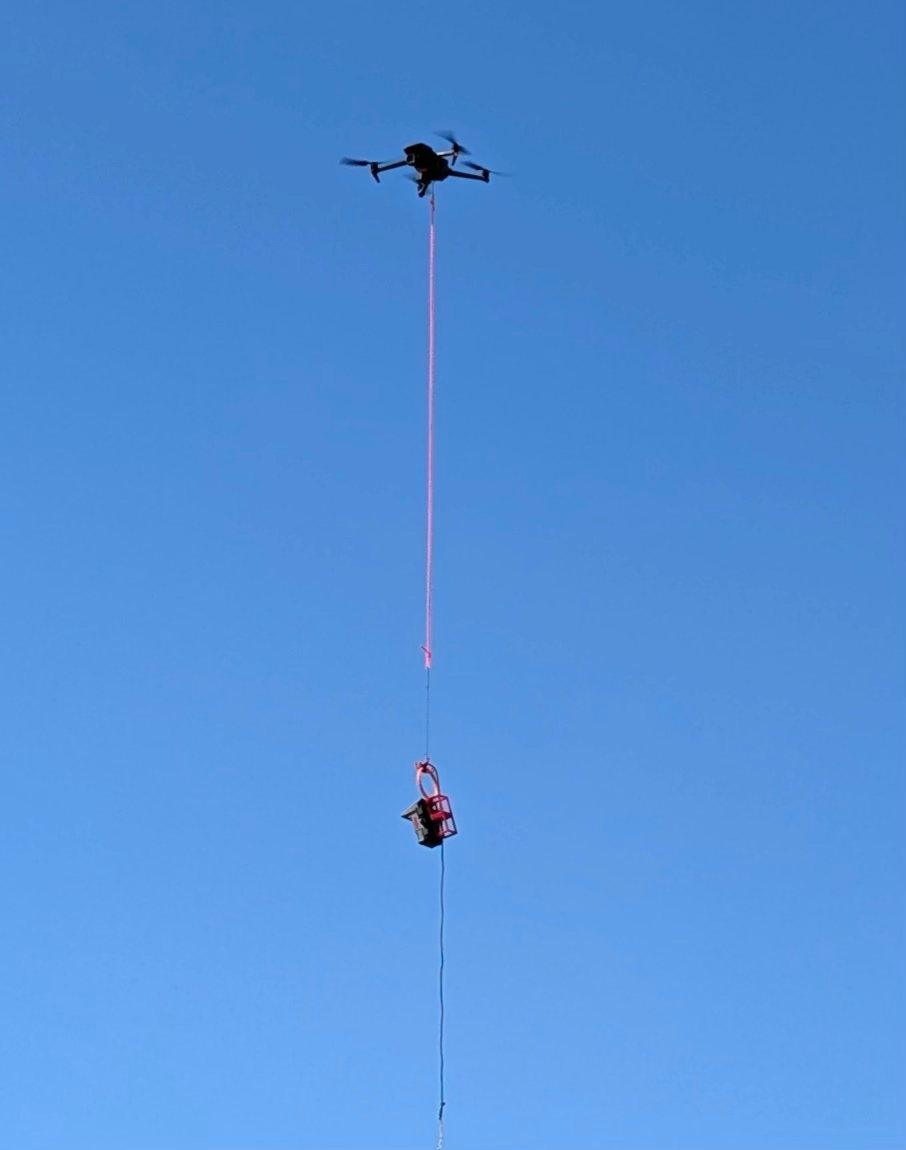
Drone Sky Hook has earned global recognition for designing payload release systems, searchlight attachments, and bundle delivery devices for drones that empower professionals in forestry, emergency response, and wildlife conservation. Their technology bridges the gap between innovation and sustainability, allowing conservationists to act faster, smarter, and safer.
Their payload release hooks enable drones to carry and accurately drop various payloads, ranging from seed pods to wildlife feed packages, with pinpoint precision. Combined with high-intensity searchlights, these drones can perform critical conservation tasks even in low-visibility conditions.
Rebuilding Green Ecosystems from the Sky
One of the most inspiring applications of Drone Sky Hook’s technology lies in drone-based reforestation. Instead of planting seeds manually, drones equipped with Drone Sky Hook payload systems and added accessories, can release biodegradable seed pods (also called “seed bombs”) over large deforested areas in minutes.
Each seed pod, containing native species and nutrients, embeds directly into the soil upon impact. Using this approach, a single drone fleet can plant up to 100,000 trees per day, dramatically reducing reforestation timeframes while maintaining ecological diversity.
How Drone Sky Hook Enhances Drone Reforestation?
Precision Payload Drops: Their smart-release systems ensure seeds are dispersed evenly, improving germination rates.
Modular Design: Payloads can be easily customized for different seed types or fertilizer capsules.
Night Operations: Integrated drone searchlights allow safe reforestation missions even in dusk or dawn conditions, extending operation hours.
This fusion of drone reforestation and wildlife conservation represents a pivotal step toward reversing deforestation trends while restoring habitats for countless species.
Wildlife Support and Rescue
Conservation work extends beyond trees, it’s about the lives within those forests. During floods, droughts, or wildfires, many wild animals become stranded or cut off from food and water. Payload release systems enable drones to deliver food directly to endangered animals without human interference.
Example Applications:
Wildfire Zones: Drones deliver hydration packs and nutrient bundles to animals trapped in scorched landscapes.
Flooded Regions: Drones drop floating food parcels safely using Drone Sky Hook’s precision-release mechanisms.
Anti-Poaching Missions: Equipped with powerful searchlights, drones assist rangers in nighttime surveillance and rescue.
By integrating drone reforestation and wildlife conservation technologies, rescue teams can cover vast terrains and respond faster to emergencies that previously seemed unreachable.
Monitoring and Data Collection:
Drones equipped with Drone Sky Hook’s searchlight and payload attachments are not only tools of delivery, they are eyes in the sky. Conservationists can now conduct nocturnal surveys, monitor animal movement, and track illegal logging or poaching with unmatched visibility.
Searchlights allow for high-resolution imaging in the dark, ensuring 24/7 monitoring without disturbing the natural ecosystem. Moreover, drones can carry environmental sensors to collect real-time data on soil moisture, temperature, and air quality, valuable for ecological modelling and decision-making.
This dual utility, i.e. protection and data-driven insight, turns every flight into a mission for planetary intelligence.

Why Drones Are the Future
The combination of drone reforestation and wildlife conservation technologies not only saves time but also minimizes human risk and carbon footprint.
Traditional conservation missions often require trucks, helicopters, and teams trekking through dangerous terrain. Drones equipped with Drone Sky Hook payload systems eliminate much of this need, cutting emissions and operational costs.
Key Benefits:
Scalability: Large-scale deployment across remote regions.
Safety: Reduced need for on-ground human intervention.
Affordability: Lower operational and maintenance costs than conventional methods.
Precision: Minimized wastage of seeds, food, or resources.
Every flight powered by Drone Sky Hook technology contributes to a greener and safer planet.
Empowering Conservationists and Communities
Beyond the technology lies a deeper story, the empowerment of people dedicated to healing the Earth. Drones equipped with Drone Sky Hook payload and lighting systems make it possible for small community groups, NGOs, and local conservation teams to achieve large-scale impact without heavy funding or infrastructure.
From remote villages in Africa to national parks in Asia, drone reforestation missions are restoring biodiversity while creating local employment and education opportunities. Communities are trained to operate drones, monitor ecosystems, and nurture reforested zones, proving that conservation is most powerful when technology and humanity work hand in hand.
Nighttime Reforestation and Rescue Operations
Imagine this: a drone hovers silently over a forest recovering from a wildfire. Below, the terrain is rugged and unsafe for vehicles. Using Drone Sky Hook’s payload and searchlight system, the drone releases clusters of seed pods into ash-rich soil while simultaneously scanning for signatures of trapped wildlife.
Within hours, dozens of hectares are reseeded, and several animals are located for rescue. This isn’t science fiction, it’s the tangible reality of drone reforestation and wildlife conservation today.
Drone Sky Hook’s innovations make such missions practical, reliable, and scalable worldwide.
How Drones Can Act As Eco-Stewards?
As governments, NGOs, and private firms adopt advanced drone technology, the future of conservation looks promising. Drone Sky Hook’s continuous innovation like smart payload sensors, automated release timing, and energy-efficient lighting systems, are set to make drones indispensable allies of the environment.
The synergy of AI, robotics, and drone payload engineering means reforestation campaigns can be intelligently mapped, and conservation missions can run autonomously with minimal oversight.
Every drop, light beam, and flight hour adds up to a profound ecological impact, an aerial network of eco-stewards working for the planet.
The Sky Is Our New Forest Floor
In the 21st century, protecting wildlife and rebuilding forests requires not only passion but also precision. With Drone Sky Hook’s payload devices, searchlights, and bundle systems, the boundaries of conservation are expanding into the sky.
Drone reforestation and wildlife conservation represent more than technological progress, they symbolize hope. Hope that humanity and innovation can work together to heal what’s been lost. As drones glide over scarred landscapes sowing seeds of renewal, one thing becomes clear: the sky is not the limit, it’s where the restoration begins.


.png)
Comments